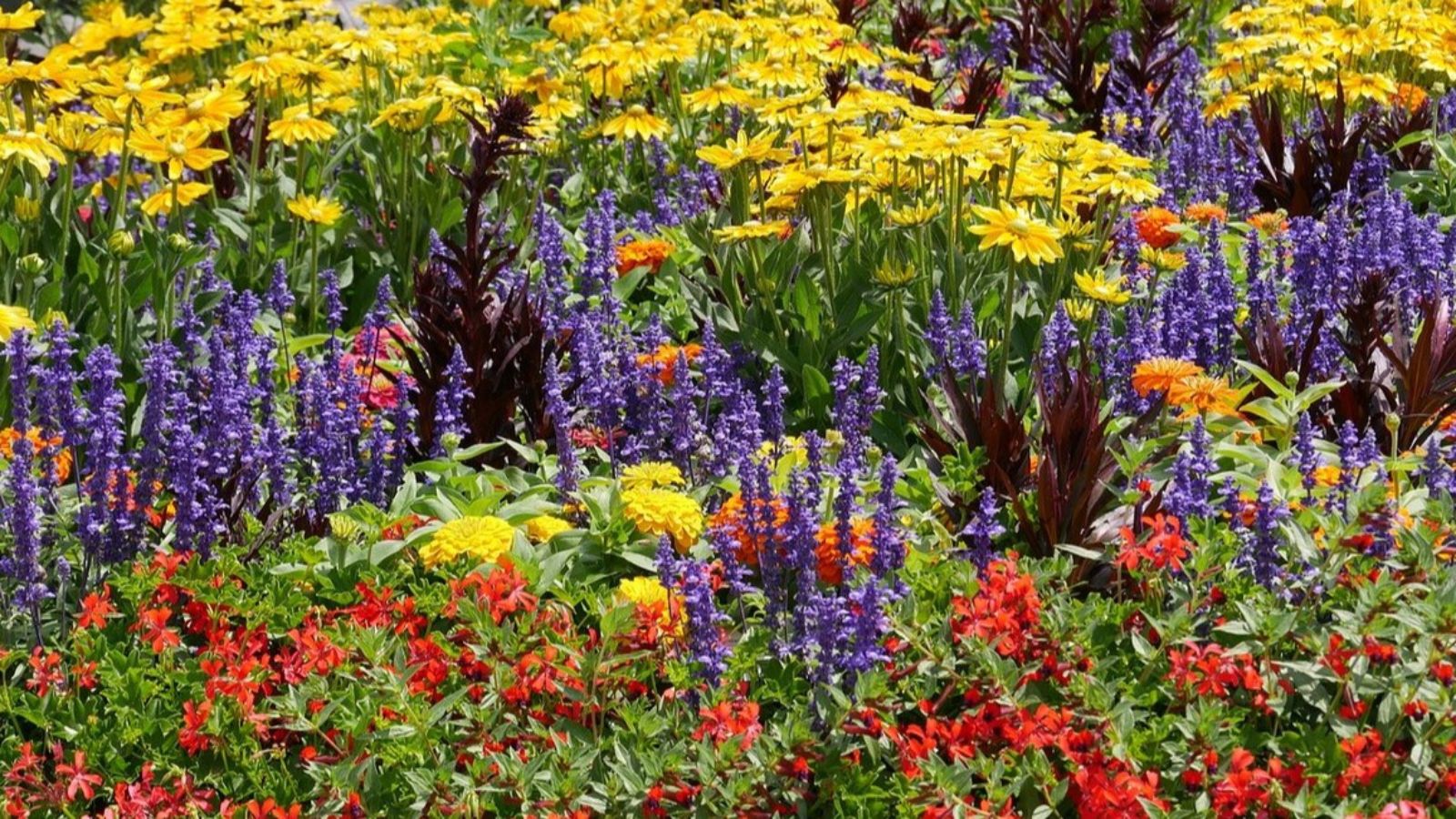
Do you have trouble telling annual plants from perennials? You’re not by yourself! “Should I plant annuals or perennials?” is a question that many novice gardeners frequently ask. The answer to this seemingly straightforward question depends on how plants develop, bloom, and endure. Although both types are prevalent in gardening, people look for “annual or perennial” since they act considerably differently.
Actually, the length of time a plant lives and the frequency of its blooms are frequently the sources of misconception. While some plants return year after year, others die after just one growing season. Gardeners can conserve time, money, and effort by being aware of this distinction.
This post will define annual and perennial plants, discuss their origins, and discuss which is best for your garden. Additionally, you will view instances, understand frequent blunders, and investigate global trends in plant popularity. Let’s finally resolve this misunderstanding!
Understanding the Difference Between Annual and Perennial Plants
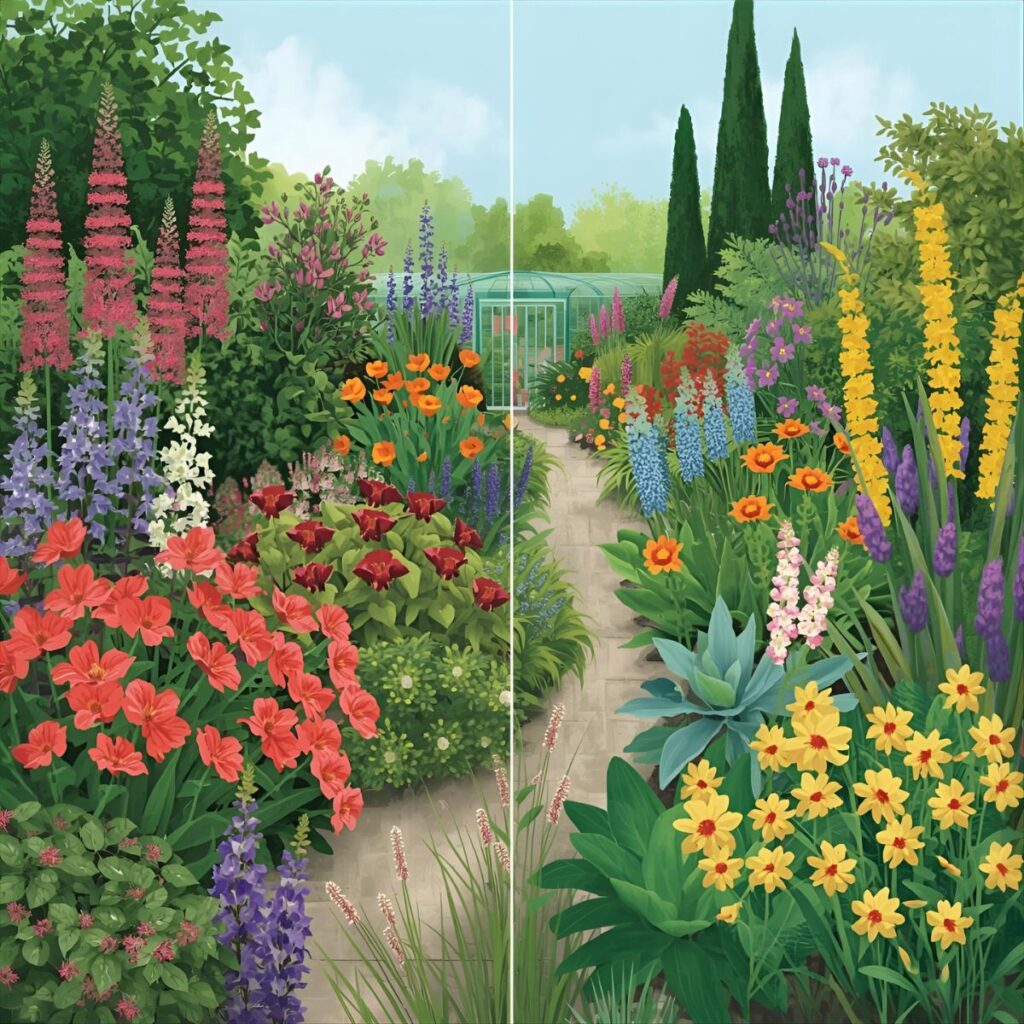
When planning a garden, knowing the difference between annual and perennial plants is essential. These two categories define how long a plant lives, how it grows, and how often it blooms—key factors that influence garden design, maintenance, and seasonal appeal.
🌼 What Are Annual Plants?
Annuals complete their entire life cycle—from germination to seed production—within a single growing season. Once they bloom and set seed, they die. Gardeners often choose annuals for their vibrant colors and fast growth.
- Examples: Marigolds, petunias, zinnias, and sunflowers
- Pros: Bright, long-lasting blooms; great for seasonal color
- Cons: Need to be replanted every year
🌸 What Are Perennial Plants?
Perennials, on the other hand, live for more than two years. They may die back in winter but regrow from the same root system each spring. Perennials are ideal for creating a stable, low-maintenance garden foundation.
- Examples: Lavender, hostas, peonies, and daylilies
- Pros: Return year after year; often require less upkeep
- Cons: May take longer to bloom initially; shorter flowering periods
🌱 Key Differences at a Glance
| Feature | Annuals | Perennials |
|---|---|---|
| Lifespan | One season | Multiple years |
| Bloom Time | Fast and continuous | Seasonal or periodic |
| Maintenance | Replant yearly | Minimal after establishment |
| Cost Over Time | Higher (replanting needed) | Lower (long-term investment) |
🌻 Which Should You Choose?
Choosing between annuals and perennials depends on your gardening goals. If you want instant color and flexibility, annuals are ideal. If you’re building a long-term landscape with reliable plants, perennials are the way to go. Many gardeners combine both for a balanced and beautiful garden.
Benefits of Growing Annuals and Perennials
Choosing between annuals and perennials—or combining both—can transform your garden into a vibrant, dynamic space. Each type offers unique advantages that cater to different gardening goals, styles, and climates.
Year-Round Interest: With smart planning, you can enjoy color, texture, and life in your garden all year.
Seasonal Variety: Annuals provide fresh color every season, allowing gardeners to experiment with new designs.
Long-Term Beauty: Perennials return year after year, creating a stable and enduring landscape.
Budget-Friendly: Perennials reduce long-term costs since they don’t need replanting annually.
Instant Impact: Annuals grow quickly and bloom profusely, perfect for filling gaps or adding flair.
Low Maintenance: Once established, many perennials require minimal care and watering.
Creative Flexibility: Annuals let you change your garden’s look each year without commitment.
Pollinator Support: Both types attract bees, butterflies, and hummingbirds, boosting biodiversity.
Extended Bloom Time: Mixing annuals and perennials ensures continuous blooms from spring to fall.
Soil Health: Perennials help stabilize soil and prevent erosion with their deep root systems.
Container Friendly: Annuals thrive in pots, making them ideal for patios and balconies.
Climate Adaptability: Perennials are often well-suited to local conditions and can withstand seasonal changes.
Color Diversity: Annuals offer a wide range of vibrant hues not always found in perennials.
Structure and Form: Perennials add architectural interest with varied heights and textures.
Wildlife Habitat: Perennials provide shelter and food for small animals and beneficial insects.
Easy Propagation: Many perennials can be divided and replanted, expanding your garden for free.
Seasonal Highlights: Annuals shine during peak seasons, creating dramatic focal points.
Educational Value: Growing both types teaches gardeners about plant lifecycles and care techniques.
Personal Expression: Annuals allow for bold, playful choices that reflect your personality.
Garden Balance: Combining both types creates harmony between short-term flair and long-term structure.
Annual or Perennial – Quick Answer
- Annual plants live for only one growing season. They sprout, bloom, produce seeds, and die all within one year.
- Example: Marigolds, Zinnias, Petunias
- Perennial plants live for many years, coming back each season from the same roots.
- Example: Roses, Lavender, Tulips
👉 Quick Tip: If you want instant color, plant annuals. If you want long-term growth, choose perennials.
The Origin of “Annual” and “Perennial”
The words annual and perennial come from Latin roots.
- Annual comes from annus, meaning “year.”
- Perennial comes from perennis, meaning “through the years.”
So, annual literally means “lasting for one year,” and perennial means “lasting for many years.” These terms have been used in botany for centuries to classify plants based on their lifespan and flowering cycle.
Over time, gardeners and farmers adopted these terms to plan seasonal planting, ensuring color and harvest throughout the year.
British English vs American English Usage
Unlike some English words, annual and perennial are spelled the same in both British and American English. However, gardeners in these regions use them differently depending on climate and culture.
| Usage | British English | American English | Example |
|---|---|---|---|
| Annual | Plants grown for one season | Same meaning | “I plant annual flowers every spring.” |
| Perennial | Plants that return yearly | Same meaning | “Lavender is my favorite perennial.” |
Although the spelling is the same, British gardeners often mix annuals and perennials in cottage gardens, while American gardeners plan them separately for seasonal color.
Which Should You Use in Your Writing or Garden?
If you’re writing, both spellings are correct globally, so you can safely use either term.
If you’re gardening, the choice depends on your goal:
- For seasonal blooms or temporary displays, go with annuals.
- For low-maintenance gardens or long-lasting beauty, choose perennials.
- For continuous color, many gardeners use a mix of both.
👉 Example: Plant annual marigolds for summer color and perennial roses for long-term fragrance.
Common Mistakes with “Annual” and “Perennial”
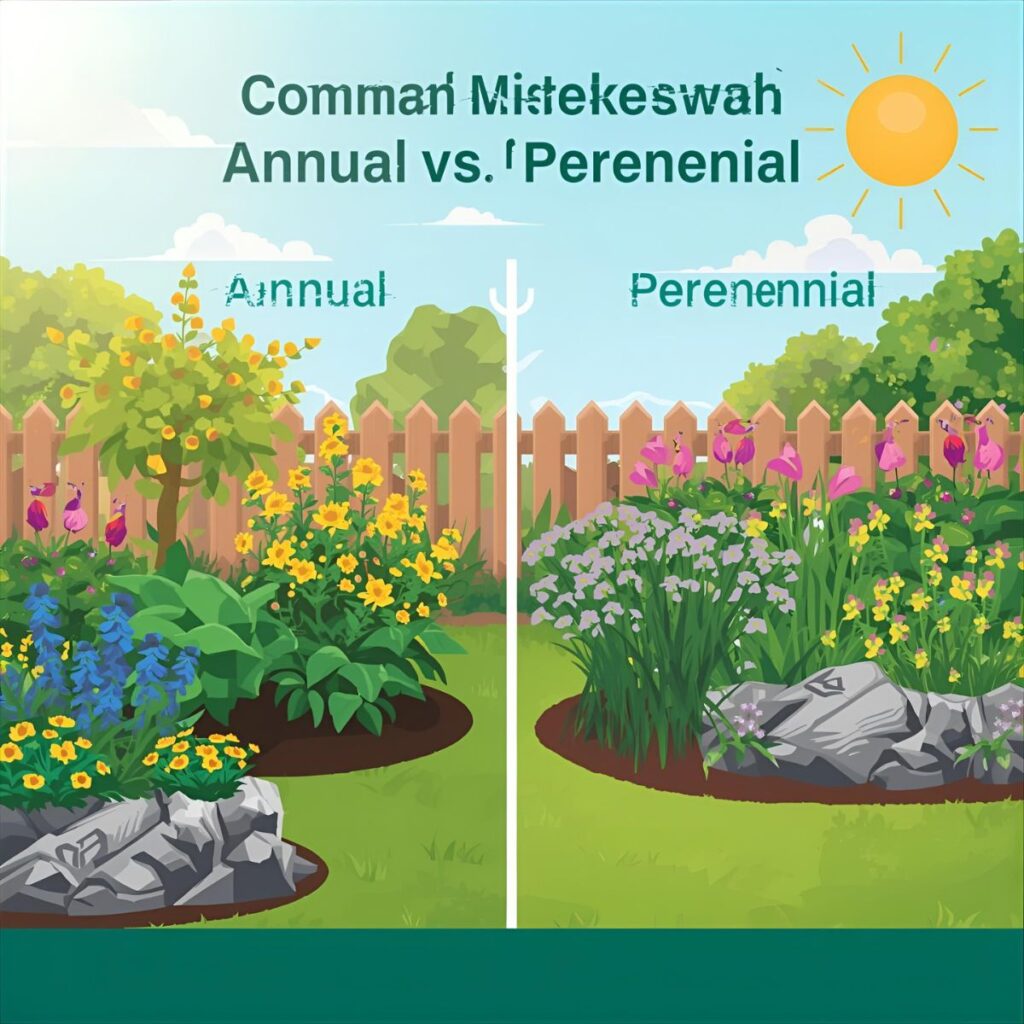
- Thinking annual means yearly blooming forever → Wrong. Annuals live only one year.
- Believing perennials bloom all year long → Not true; they bloom for a season but live for many years.
- Confusing perennials with biennials → Biennials live for two years, not one or many.
- Planting annuals expecting them to regrow next year → They won’t.
“Annual” and “Perennial” in Everyday Examples
- Gardening blogs: “These annuals add instant color to your front yard.”
- News: “Perennial plants are a sustainable choice for eco-friendly gardening.”
- Social Media: “Can’t believe my annuals are already blooming! 🌼”
- Formal writing: “Perennial crops play a vital role in soil conservation.”
Annual vs Perennial – Google Trends & Usage Data
According to Google Trends:
- “Annual vs Perennial” is most searched in spring and early summer, when people plan gardens.
- The United States, Canada, and Australia show higher interest in annual plants.
- The UK and New Zealand lean slightly toward perennials due to mild climates.
| Country | Popular Term | Context |
|---|---|---|
| USA | Annual | Flower gardening |
| UK | Perennial | Landscape design |
| Canada | Both | Mixed gardening |
| Australia | Annual | Seasonal blooms |
| India | Perennial | Tropical gardens |
Comparison Table: Annual vs Perennial
| Feature | Annual | Perennial |
|---|---|---|
| Lifespan | One growing season | Many years |
| Replant Needed | Every year | No, regrows |
| Bloom Time | Continuous but short | Seasonal, repeats yearly |
| Cost | Cheaper upfront | Costlier but long-term |
| Maintenance | High | Low |
| Examples | Petunia, Sunflower, Marigold | Rose, Tulip, Lavender |
FAQs
1. What is the main difference between annual and perennial plants?
Annuals live for one season, while perennials come back year after year.
2. Do perennials need to be replanted?
No. They regrow from roots every year.
3. Are annuals easier to grow?
Yes. They grow quickly and bloom fast, perfect for beginners.
4. What about biennials?
Biennials live for two years—growing in the first year and flowering in the second.
5. Can annuals reseed themselves?
Some do! For example, marigolds often drop seeds that sprout next year.
6. Which type of plant is cheaper long-term?
Perennials cost more upfront but save money over time since they regrow.
7. Should I mix both in my garden?
Yes. Combining both gives year-round color and variety.
Conclusion
New gardeners frequently struggle with the question, “annual or perennial?” but now you understand the obvious distinction. Perennial plants return year after year, but annual plants only survive one season. Each variety has special benefits, and when combined, they add vitality and harmony to any garden.
Choose annuals for rapid, vibrant colour. Plant perennials if you want low-maintenance, long-lasting beauty. Even better, combine them for the ideal balance of durability and freshness.