Active and Passive Voice Rules–A Guide for Clear Writing
When learning English grammar, one of the most common sources of confusion is the difference between active and passive voice rules. Specifically, this topic often challenges learners at various levels. In particular, many students, writers, and professionals search for this keyword because they struggle to decide which voice to use, how to form sentences correctly, and when one is better than the other. Moreover, the rules can vary depending on context, purpose, and tone. As a result, understanding the distinctions between these two voices becomes essential for clear and effective communication. Ultimately, mastering this aspect of grammar empowers individuals to write with greater precision and confidence.
For clarity and impact, writers often recommend active voice for direct writing. On the other hand, people tend to use passive voice when the doer is unknown, unimportant, or deliberately hidden.
. Still, the rules that govern these voices can be tricky. Misuse leads to awkward, unclear, or even grammatically incorrect sentences.
This article breaks down the basics of active and passive voice rules in simple steps. It covers their history, spelling variations in British and American English, common mistakes, everyday examples, and usage trends. Whether you’re preparing for exams, writing emails, or improving your professional communication, this guide will not only clarify the rules but also help you master them with confidence and ease.
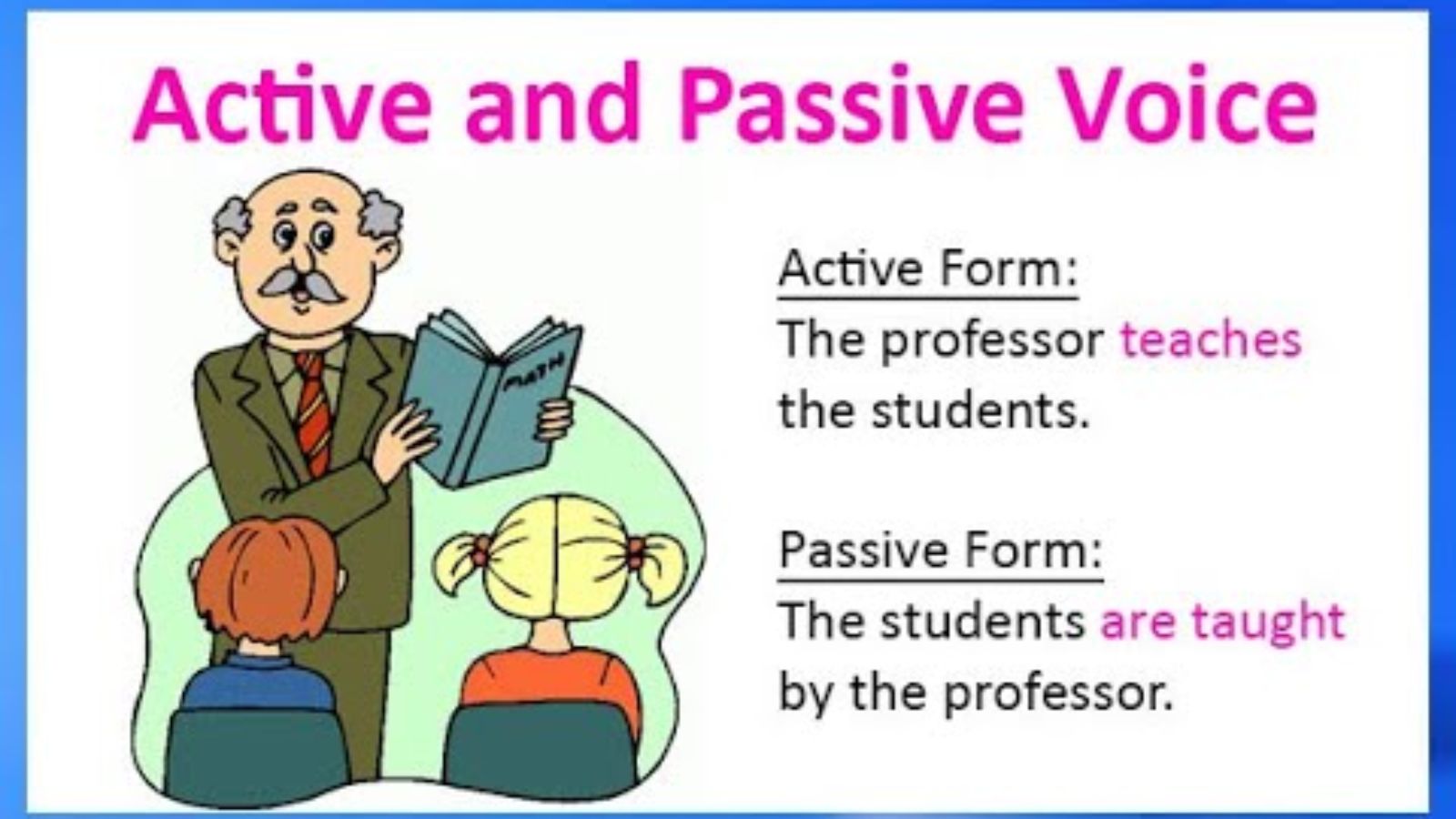
Active and Passive Voice Rules – Quick Answer
- Active Voice Rule: The subject performs the action.
- Example: The teacher explains the lesson.
- Passive Voice Rule: The object becomes the subject, and the action is done to it.
- Example: The lesson is explained by the teacher.
👉 Shortcut:
- Active = Subject + Verb + Object.
- Passive = Object + “to be” + Past Participle (+ by Subject).
The Origin of Active and Passive Voice Rules
The terms active and passive come from Latin grammar, later adopted into English through French influence. Early grammarians classified verbs by whether the subject performed the action (active) or received it (passive).
English borrowed these distinctions in the Middle Ages, making them part of traditional grammar teaching. Over time, style guides emphasized active voice for clarity, while passive voice remained useful in academic, scientific, and formal writing.
British English vs American English Spelling
The rules of active and passive voice are the same in both British and American English. The difference lies mainly in spelling of verbs and auxiliaries.
| Example Verb | British English | American English | Voice Example |
|---|---|---|---|
| Organise | Organise | Organize | Active: They organise events. / Passive: Events are organised. |
| Travelling | Travelling | Traveling | Active: She is travelling. / Passive: The trip is being travelled. |
| Learnt | Learnt | Learned | Active: He learnt grammar. / Passive: Grammar was learnt. |
So while the sentence structure is the same, the spelling of verbs may differ.
Which Spelling Should You Use?
- US audience: Use American spellings (organize, traveled, learned).
- UK/Commonwealth audience: Use British spellings (organise, travelling, learnt).
- Global audience: Choose one style and stay consistent. For academic writing, follow your institution’s preference.
Common Mistakes with Active and Passive Voice Rules
- Mixing voices in one sentence: The teacher explains the lesson and gives homework.(Correct both into one consistent voice).
- Using passive unnecessarily: Mistakes were made. → Better: I made mistakes.
- Forgetting tense change in passive: He writes a letter → A letter is written.
- Leaving out the subject incorrectly: Passive allows dropping the subject, but avoid confusion.
- Wrong: The book was read. (Who read it?)
- Better: The book was read by the student.
Active and Passive Voice Rules in Everyday Examples
- Emails:
- Active: I attached the file.
- Passive: The file has been attached.
- News Headlines:
- “The law was passed” (passive) → “Lawmakers passed the law” (active)
- Social Media:
- Active dominates: I baked a cake today!
- Formal Reports:
- “Data was collected” (passive) → “Researchers collected data” (active)
Active and Passive Voice Rules – Google Trends & Usage Data
- Searches for “active vs passive voice” are highest in India, Pakistan, US, and Philippines, where English grammar exams are common.
- Passive voice is more frequent in academic/scientific writing, while active dominates in journalism, marketing, and everyday communication.
| Region | Popular Search | Usage in Writing | Trend |
|---|---|---|---|
| US | Active voice rules | Business, blogs | Growing |
| UK | Passive voice rules | Academic writing | Steady |
| Asia | Both | Exams, education | Rising |
| Global | Active voice rules | Online content | Increasing |
FAQs
1. What is the golden rule of active and passive voice?
Active = subject acts; Passive = subject receives the action.
2. When should I avoid passive voice?
Avoid it when clarity and directness are important (emails, instructions).
3. Is passive voice always wrong?
No. It’s useful in science, news, or when the doer is unknown.
Can writers change every active sentence into a passive one?
Only if the verb is transitive (takes an object). Example: She sings a song → A song is sung.
5. What is the formula for passive voice?
Object + “to be” + Past Participle (+ by + Subject).
6. Why do teachers prefer active voice?
It’s shorter, clearer, and easier to understand.
7. Can I mix active and passive voice in one paragraph?
Yes, but keep it logical and consistent.
Conclusion
Understanding active and passive voice rules is essential for strong writing. Active voice makes sentences clear and direct, while passive voice is useful for formality, object focus, or when the doer is unknown.
Although both voices follow the same grammatical rules worldwide, spelling differences between British and American English can affect verb forms. The biggest challenge for learners is avoiding unnecessary passive constructions and knowing when each style works best.
In daily life, active voice dominates informal writing like emails and social posts, while passive is more common in news, research, and reports. By mastering the rules and practicing with examples, you can switch between voices smoothly, depending on your audience and purpose.
👉 Remember: Active for clarity, Passive for formality. Consistency and context are the keys to correct usage.