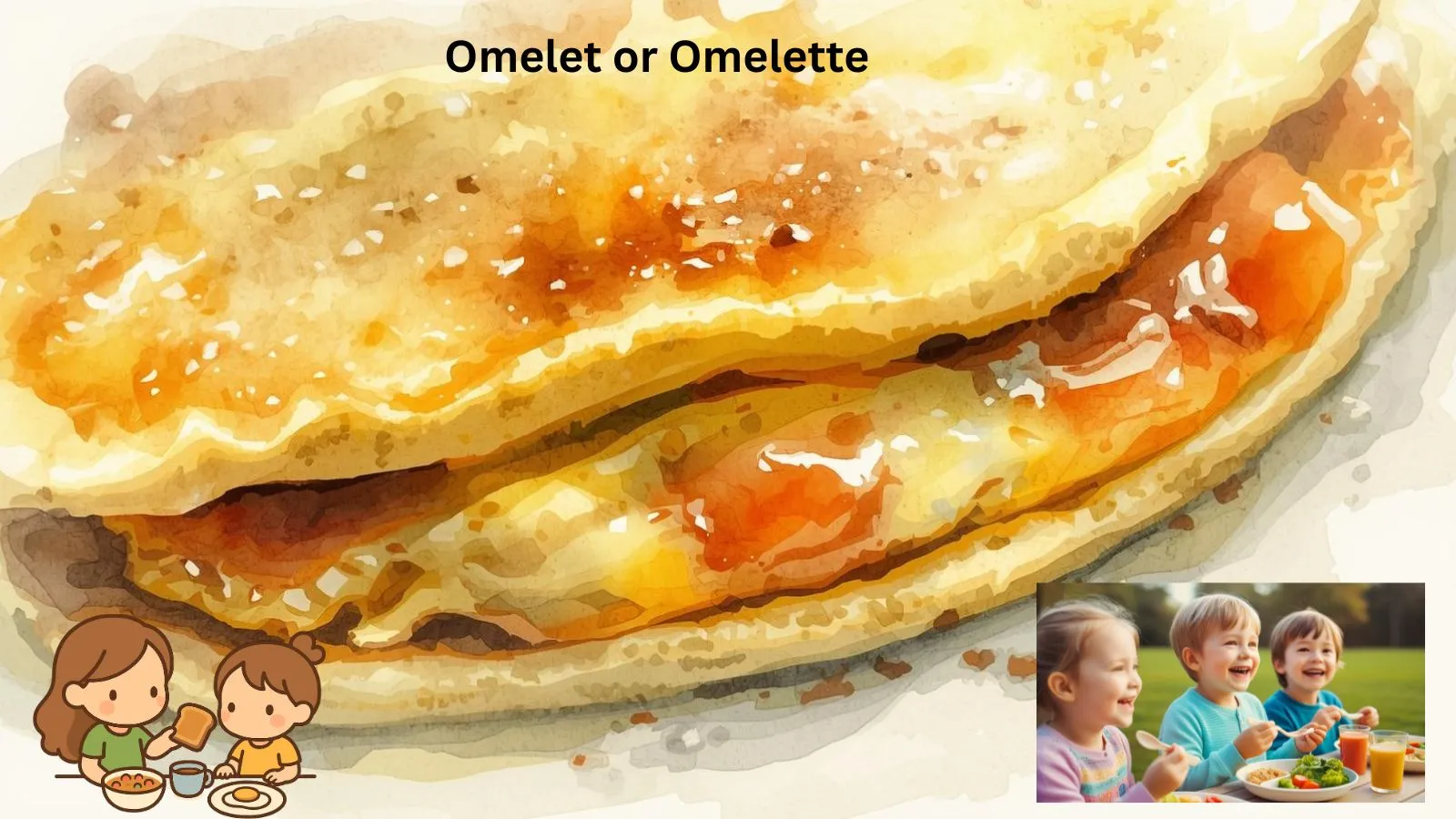
Omelet or Omelette? Easy Explanation
Have you ever stopped while writing a recipe, menu, or food blog and wondered: is it omelet or omelette? If yes, you are not alone. Many people search for this keyword because both spellings appear correct, yet they look different. As a result, writers, students, bloggers, and even chefs get confused.
Moreover, the confusion grows because cookbooks, restaurants, and websites use both forms. Some menus say omelet, while others prefer omelette. Therefore, people want a clear answer they can trust.
Additionally, this spelling issue often depends on regional English rules. For example, American English prefers shorter spellings, while British English keeps traditional forms. Because of this difference, global readers struggle to choose the right word.
This article solves that confusion. First, it gives a quick answer. Then, it explains the origin, regional usage, common mistakes, and real-life examples. Finally, it helps you decide which spelling to use confidently in any situation.
Omelet or Omelette – Quick Answer
Both spellings are correct, but usage depends on region.
- Omelet → American English
- Example: I cooked a cheese omelet for breakfast.
- Omelette → British English
- Example: She ordered a mushroom omelette.
👉 Therefore, the meaning is the same. Only the spelling changes.
The Origin of Omelet or Omelette
The word comes from the French word “omelette.” Originally, English borrowed the word directly from French. However, over time, spelling rules changed.
American English often simplifies words. As a result, omelette lost one “te” and became omelet. Meanwhile, British English kept the original French-style spelling.
Thus, the difference exists because of language evolution, not because one spelling is wrong.
British English vs American English Spelling
Although both versions mean the same dish, spelling rules vary.
| Feature | American English | British English |
|---|---|---|
| Spelling | Omelet | Omelette |
| Usage | US, Canada | UK, Australia |
| Style | Simplified | Traditional |
| Common in | Recipes, menus | Cookbooks, cafés |
Therefore, region matters more than grammar.
Which Spelling Should You Use?
- US audience: Use omelet
- UK/Commonwealth audience: Use omelette
- Global or academic writing: Either is fine, but stay consistent
However, if you are unsure, choose the spelling your audience expects.
Common Mistakes with Omelet or Omelette
- Mixing spellings in one article → Pick one and stay consistent.
- Thinking one spelling is wrong → Both are correct.
- Using US spelling for UK clients → Match the region.
- Misspelling as “omlet” → Always incorrect.
Omelet or Omelette in Everyday Examples
- Email: I’ll prepare an omelet for the meeting breakfast.
- News: The chef won praise for his perfect omelette.
- Social Media: Sunday brunch = spinach omelet 🥚
- Formal Writing: The omelette is a staple of French cuisine.
Thus, context decides the spelling.
Omelet or Omelette – Google Trends & Usage Data
According to search trends:
- Omelet is more popular in the United States
- Omelette dominates in the UK, Australia, and India
- Food blogs use both, depending on audience
| Country | Preferred Spelling |
|---|---|
| USA | Omelet |
| UK | Omelette |
| Canada | Omelet |
| Australia | Omelette |
| India | Omelette |
Omelet vs Omelette – Comparison Table
| Feature | Omelet | Omelette |
|---|---|---|
| Language | American English | British English |
| Origin | Simplified | French-based |
| Meaning | Egg dish | Egg dish |
| Correct? | Yes | Yes |
FAQs
1. Is omelet or omelette correct?
Both are correct. Region decides spelling.
2. Which spelling is used in recipes?
American recipes use omelet. British recipes use omelette.
3. Is omelette more formal?
No. It is just regional.
4. Can I use both spellings together?
No. Always stay consistent.
5. Which spelling should ESL learners use?
Use the spelling of your target audience.
6. Is omelet easier for SEO in the US?
Yes, it ranks better in US searches.
Conclusion
The confusion around omelet or omelette exists because English follows regional spelling rules. However, the meaning stays exactly the same. An omelet—or omelette—is simply a delicious egg dish enjoyed worldwide.
If you write for an American audience, omelet is the better choice. On the other hand, if your readers are in the UK or Commonwealth countries, omelette feels more natural. Therefore, knowing your audience is key.
Moreover, consistency matters more than the spelling itself. Once you choose one form, use it everywhere. This improves clarity, professionalism, and SEO performance.
In short, both spellings are correct. Choose wisely, write confidently, and enjoy your omelet—or omelette—without doubt.