Choosing between “were” and “was” can feel confusing, especially when a sentence starts with “if” or “I wish.” Both words are past forms of the verb to be, but they do not always work in the same places. The correct choice depends on the subject and on whether you are talking about a real past event or an imagined situation.
People often search for “were or was” because phrases such as “I was,” “you were,” “if I were,” and “if I was” can seem to follow different rules. The confusion grows because everyday speech sometimes uses forms that are less formal than traditional grammar rules.
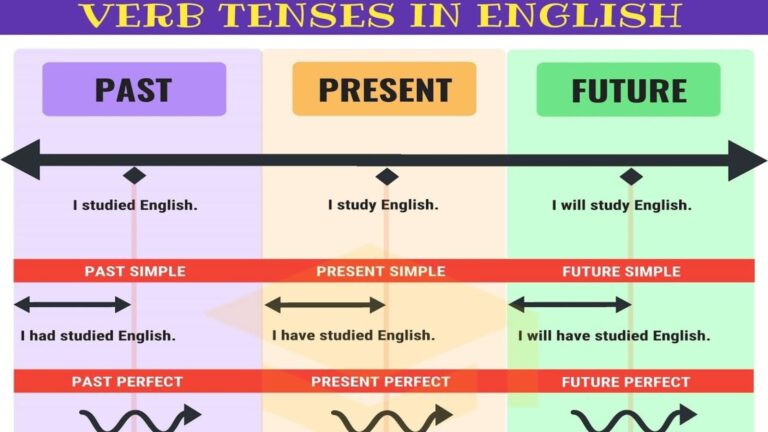
The good news is that the basic rule is simple. Use was with I, he, she, and it when describing a real past situation. And Use were with you, we, and they. Use were with any subject in a formal hypothetical or contrary-to-fact statement, such as “If I were you.”
This guide explains the difference in simple terms, with examples for everyday, academic, and professional writing.
Were or Was – Quick Answer
The basic past-tense rule is:
- I was
- He was
- She was
- It was
- You were
- We were
- They were
Examples:
- I was tired yesterday.
- She was at home.
- It was cold.
- You were right.
- We were busy.
- They were late.
But there is one important exception.
Use were for hypothetical, unreal, or contrary-to-fact situations:
- If I were you, I would wait.
- If she were here, she would help.
- I wish I were taller.
- If it were possible, we would go.
The key difference is meaning. Was normally describes a real past fact. Were can describe an imagined or unreal situation. The MLA Style Center gives the same basic distinction: use were when the condition is contrary to fact, while was can be used when the condition may actually have happened.
Quick Comparison Table
| Situation | Correct Form | Example |
|---|---|---|
| Real past with I | was | I was tired. |
| Real past with he | was | He was busy. |
| Real past with she | was | She was happy. |
| Real past with it | was | It was cold. |
| Past with you | were | You were late. |
| Past with we | were | We were ready. |
| Past with they | were | They were excited. |
| Unreal condition | were | If I were rich, I would travel. |
| Wish | were | I wish I were there. |
| Possible past condition | was | If he was there, he saw it. |
The Origin of Were or Was
Was and were come from the Old English verb wesan, an early form of the verb “to be.” Over hundreds of years, English developed different forms of this verb for different subjects and grammatical uses.
The two forms are therefore not simply different spellings. They are different forms of the same verb.
Historically, were had several roles. It was used with plural subjects, with “you,” and in certain special grammatical constructions. Modern English still keeps this pattern.
Today, the normal past forms are:
- I was
- you were
- he was
- she was
- it was
- we were
- they were
The special use of were in sentences such as “If I were you” comes from an older grammatical pattern called the past subjunctive or, in some modern grammar descriptions, the irrealis form.
This explains why English can say:
I was there.
but:
I wish I were there.
The first sentence states a past fact. The second expresses a wish that is not true now.
British English vs American English Spelling
There is no major British-versus-American spelling difference between was and were. Both varieties spell the words the same way.
The bigger difference is how speakers use were in hypothetical situations.
Traditional formal English in both British and American English favors:
- If I were you, I would leave.
- I wish she were here.
- If he were more careful, this would not happen.
However, was is common in informal speech, especially in some hypothetical sentences:
- If I was you, I would leave.
- I wish she was here.
Collins notes that were is used for formal hypothetical situations, while was can appear in informal speech.
British vs American Comparison
| Feature | British English | American English |
|---|---|---|
| I was | Correct | Correct |
| You were | Correct | Correct |
| We were | Correct | Correct |
| They were | Correct | Correct |
| If I were you | Standard | Standard |
| If I was you | Informal | Informal |
| I wish I were there | Formal/standard | Formal/standard |
| I wish I was there | Common in informal use | Common in informal use |
So, if you are writing an essay, business document, application, or formal article, were is usually the safest choice for unreal or hypothetical situations.
Which Spelling Should You Use?
Technically, was and were are not spelling choices. They are different verb forms.
Your choice depends on the subject and meaning.
Use “was” when:
You are describing a real past event.
- I was at school.
- He was tired.
- She was happy.
- It was raining.
Use “were” when:
The subject is you, we, or they.
- You were right.
- We were ready.
- They were late.
Use were in formal hypothetical statements:
- If I were you, I would apologize.
- If she were here, she could help.
- If the plan were approved, we would begin.
Advice for US English Writers
American English follows the same basic standard rule. In formal writing, use were for hypothetical or contrary-to-fact situations.
Advice for UK and Commonwealth Writers
British and Commonwealth English also use were in formal hypothetical constructions. Informal speech may use was, but were remains the safer choice for formal writing.
Advice for Global English
If you want your writing to sound clear and professional, use:
was = real past situation
were = plural/you OR formal hypothetical situation
That simple rule works in most cases.
Common Mistakes with Were or Was
Mistake 1: “If I was you”
Informal speakers often say this, but the standard formal form is:
If I were you, I would wait.
The reason is that you cannot literally be another person. It is an unreal or hypothetical situation.
Mistake 2: “I were tired yesterday”
This is incorrect.
Correct:
I was tired yesterday.
You are describing a real past event, so use was.
Mistake 3: “They was late”
This is incorrect in standard English.
Correct:
They were late.
“They” takes were.
Mistake 4: “She were happy”
For a normal past statement, this is incorrect.
Correct:
She was happy.
But in a hypothetical sentence:
If she were happy, she would smile more.
Mistake 5: Using “were” for every past sentence
The special hypothetical use of were does not mean that were should replace was everywhere.
Incorrect:
I were at the store yesterday.
Correct:
I was at the store yesterday.
Mistake 6: Confusing possibility with imagination
Compare these:
If he was at home, he probably saw the message.
This suggests that he may really have been at home.
If he were at home, he would answer the phone.
This presents the situation as hypothetical or contrary to what the speaker believes.
The difference can be small, but it matters in careful writing.
Were or Was in Everyday Examples
Knowing the rule is useful, but examples make it easier to remember.
In Emails
Correct:
I was unavailable yesterday, but I am free today.
Correct:
If I were available, I would join the meeting.
The first sentence describes a real past situation. The second describes a condition that is not true.
In News Writing
News writing often uses was and were according to normal subject-verb agreement:
The company was under pressure.
Thousands of people were affected.
For hypothetical statements, formal news writing may use were:
If the proposal were approved, the project could begin next year.
On Social Media
Informal social media often contains:
I was so tired yesterday!
We were laughing all night.
You may also see:
If I was you, I would just go for it.
This is common in casual speech and online writing, but If I were you is the safer form for formal English.
In Formal Writing
Formal writing should favor standard grammar:
If the policy were changed, the results could improve.
I wish the process were simpler.
If I were responsible for the project, I would review the plan.
In School or Academic Writing
Use was for real past facts:
The experiment was successful.
Use were for hypothetical ideas:
If the temperature were higher, the reaction would change.
This makes your meaning clear and follows traditional formal grammar.
Were or Was – Google Trends & Usage Data
Searches for “were or was” are usually connected to grammar questions, English learning, homework, editing, and sentence correction. The phrase is especially useful as a search keyword because learners often know both words but are unsure which one fits a sentence.
There is no simple fixed number that shows how often “were or was” is searched worldwide. Search interest can change by country, school term, language-learning demand, and the wording people use in search engines.
A useful pattern is that searches involving “was vs were,” “was or were,” and “if I was or were” tend to focus on different grammar problems.
| Search Phrase | Main Search Intent |
|---|---|
| were or was | Basic grammar help |
| was or were | Choosing the correct verb |
| was vs were | Grammar comparison |
| if I was or were | Hypothetical situations |
| I was or I were | First-person grammar |
| if she was or were | Third-person hypothetical |
| there was or there were | Singular vs plural agreement |
The topic remains popular because was and were are among the most common forms of the verb “to be.” Grammar resources continue to treat their correct use as a common writing issue.
For SEO purposes, the keyword “were or was” also has strong informational intent. A reader searching this phrase usually wants a quick answer first, followed by examples.
Were or Was: More Examples at a Glance
| Sentence | Correct Word | Why |
|---|---|---|
| I ___ tired. | was | Real past |
| She ___ sick. | was | Singular subject |
| He ___ here. | was | Singular subject |
| It ___ cold. | was | Singular subject |
| You ___ right. | were | “You” takes were |
| We ___ ready. | were | Plural subject |
| They ___ happy. | were | Plural subject |
| If I ___ you… | were | Hypothetical |
| I wish I ___ there. | were | Wish/unreal |
| If she ___ at home… | was/were | Depends on meaning |
| There ___ one problem. | was | Singular |
| There ___ many problems. | were | Plural |
FAQs About Were or Was
1. Is it “I was” or “I were”?
Use I was for a real past event.
Example:
I was tired yesterday.
Use I were only in a formal hypothetical or unreal construction.
Example:
If I were you, I would wait.
2. Is “If I was you” correct?
“If I were you” is the standard formal form.
“If I was you” is common in informal speech, but it is best to use “If I were you” in professional, academic, and formal writing.
3. Should I say “I wish I was” or “I wish I were”?
For formal standard English, use:
I wish I were there.
“I wish I was there” is also common in everyday speech.
4. Is “you was” ever correct?
Not in standard modern English.
Correct:
You were late.
The verb were is used with “you,” whether “you” refers to one person or several people.
5. Is it “they was” or “they were”?
The standard form is:
They were.
Example:
They were at the restaurant.
6. Is “she were” correct?
Usually, no.
Use:
She was happy.
But were can be correct in a hypothetical sentence:
If she were here, she would help us.
7. Is “there was” or “there were” correct?
Use there was with a singular noun:
There was one problem.
Use there were with a plural noun:
There were three problems.
8. Does British English use “was” differently from American English?
The basic rules are the same. Both varieties use was for normal singular past statements and were for plural subjects and formal hypothetical constructions. Informal use of was in hypothetical sentences occurs in both varieties.
9. Is “were” a past-tense word?
Yes. Were is a past form of to be. It is used with “you,” “we,” and “they” in ordinary past-tense sentences. It also has a special use in hypothetical or unreal constructions.
10. What is the easiest way to remember was vs were?
Remember:
I/he/she/it = was
you/we/they = were
For unreal or hypothetical situations:
use were
Example:
If I were you, I would go.
Conclusion: Were or Was?
The difference between were and was becomes much easier when you focus on two things: the subject and the meaning of the sentence.
Use was with I, he, she, and it when you are talking about a real past event. For example, “I was tired” and “She was at home” are correct. Use were with you, we, and they, as in “You were right” and “They were late.”
The main special rule comes with hypothetical or unreal situations. In formal English, use were even with singular subjects: “If I were you,” “If she were here,” and “I wish it were possible.” This form is accepted in both British and American English. Informal speech may use was in some of these cases, but were is the safer choice for professional and academic writing.
The simplest rule is: was for real singular past situations; were for you, plural subjects, and formal hypothetical situations.